
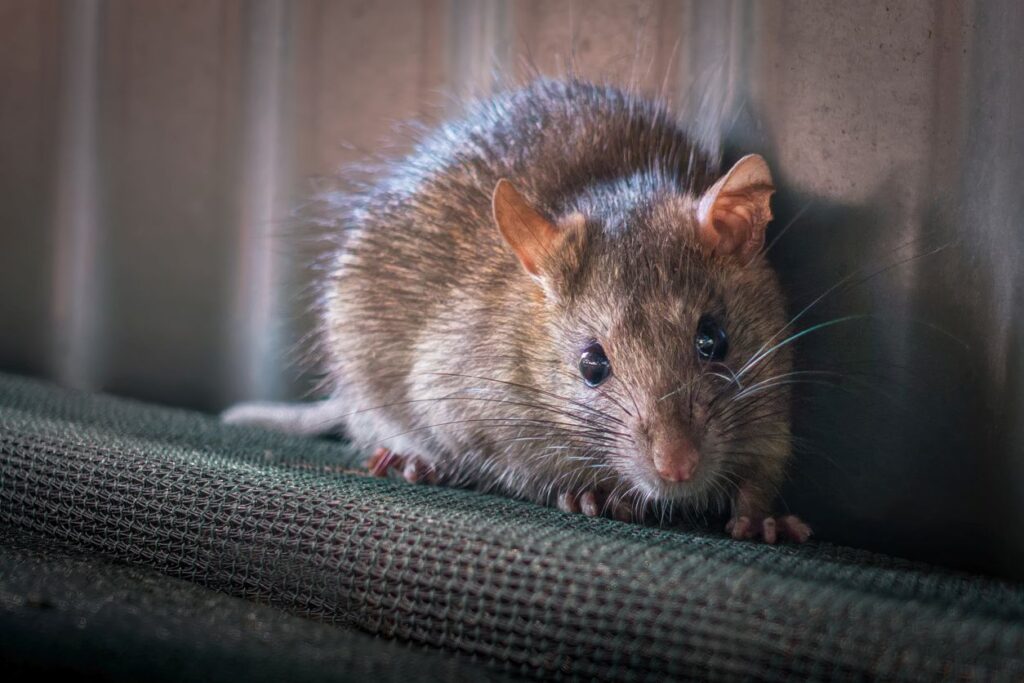
Identifying pests by their droppings can be a crucial skill for homeowners, renters, and property managers. This guide aims to educate you on the distinctive characteristics of droppings from common pests like mice, rats, and cockroaches, helping you take prompt action against infestations.
Recognizing Mouse Droppings
Appearance – Mouse droppings are small, about 1/4 inch in length, and pointed at both ends.
Color – They are usually black and can lighten over time
Places to Check – Look in kitchen cabinets, drawers, and along baseboards.
Identifying Rat Droppings
Appearance – Larger than mouse droppings, rat feces are about 1/2 inch in length.
Color – Dark brown or black.
Common Location –Rat droppings are typically found in high-activity areas such as near food sources and nesting areas.
Spotting Cockroach Droppings
Appearance – Cockroach droppings can vary in appearance but generally look like small pellets or a fine, pepper-like substance for smaller roaches.
Color – Larger roaches leave behind cylindrical droppings with blunt ends.
Areas to Inspect – Check under sinks, behind appliances, and along wall edges.
Droppings as Health Risks
Pest droppings are not just unsightly; they can pose serious health risks. They can carry pathogens that may cause allergic reactions and diseases. Here’s what you need to know to protect your health:
Diseases: Rodent droppings can carry Hantavirus, while cockroach droppings can exacerbate asthma and allergies.
Cleanup Tips: Always wear gloves and a mask when cleaning pest droppings. Use a disinfectant spray to kill germs before sweeping or vacuuming.
Professional Insight and Prevention
Understanding the lifecycle and habits of these pests can further aid in prevention:
Lifecycle: Mice and rats can reproduce rapidly, making early detection critical. Cockroaches are known for their resilience and can survive under various conditions.
Prevention Tips: Seal entry points, maintain cleanliness, and reduce moisture around your home.
For those facing an ongoing or large-scale infestation, professional pest control services offer effective solutions tailored to your specific situation. Advanced IPM provides expert advice and treatment options that safely and effectively address pest problems.
Contact Advanced IPM today to schedule your
no-charge inspection!
Frequently Asked Questions
Can I tell how long droppings have been there?
Yes — fresh droppings are usually darker, moist, and shiny, while older droppings dry out, lighten in color, and crumble more easily.
What’s the safest way to clean up droppings?
Never sweep or vacuum dry droppings, which can aerosolize contaminants. Instead, spray with disinfectant, let it soak, then wipe up with gloves and dispose of waste in sealed bags.
How can I tell the difference between rodent and insect droppings?
Rodent droppings are usually larger, pellet-shaped, and solid, while insect droppings (like roaches or crickets) are smaller, granular, or pepper-like. Lizards leave droppings with a white tip due to urate.
What if I find droppings in unusual places (like ceilings or attics)?
Certain pests like bats or squirrels may leave droppings in attics or other elevated areas; bat guano tends to be small and pellet-like, while birds leave droppings with a white urate portion.
Can droppings tell me where pests are nesting?
Yes — the location and pattern of droppings often point to nesting sites (near food sources, along baseboards, inside cabinets, attics, etc.), which helps in targeting control strategies.